
Just because your career doesn't follow a traditional straight line, it doesn't mean it's wrong
Modern career paths include role changes, organisation changes, pauses, and even whole career shifts

Once upon a time, careers generally followed a linear path. You joined a company and then worked up the internal promotion ladder. Or you moved from one company to another to achieve a promotion, but those companies were always closely related in the same sector.
Today, many people’s careers don’t move in a straight line. In reality, they include pauses, plateaus, sideways moves, even shifts into whole new careers, and that’s just fine.
Linear careers are a myth
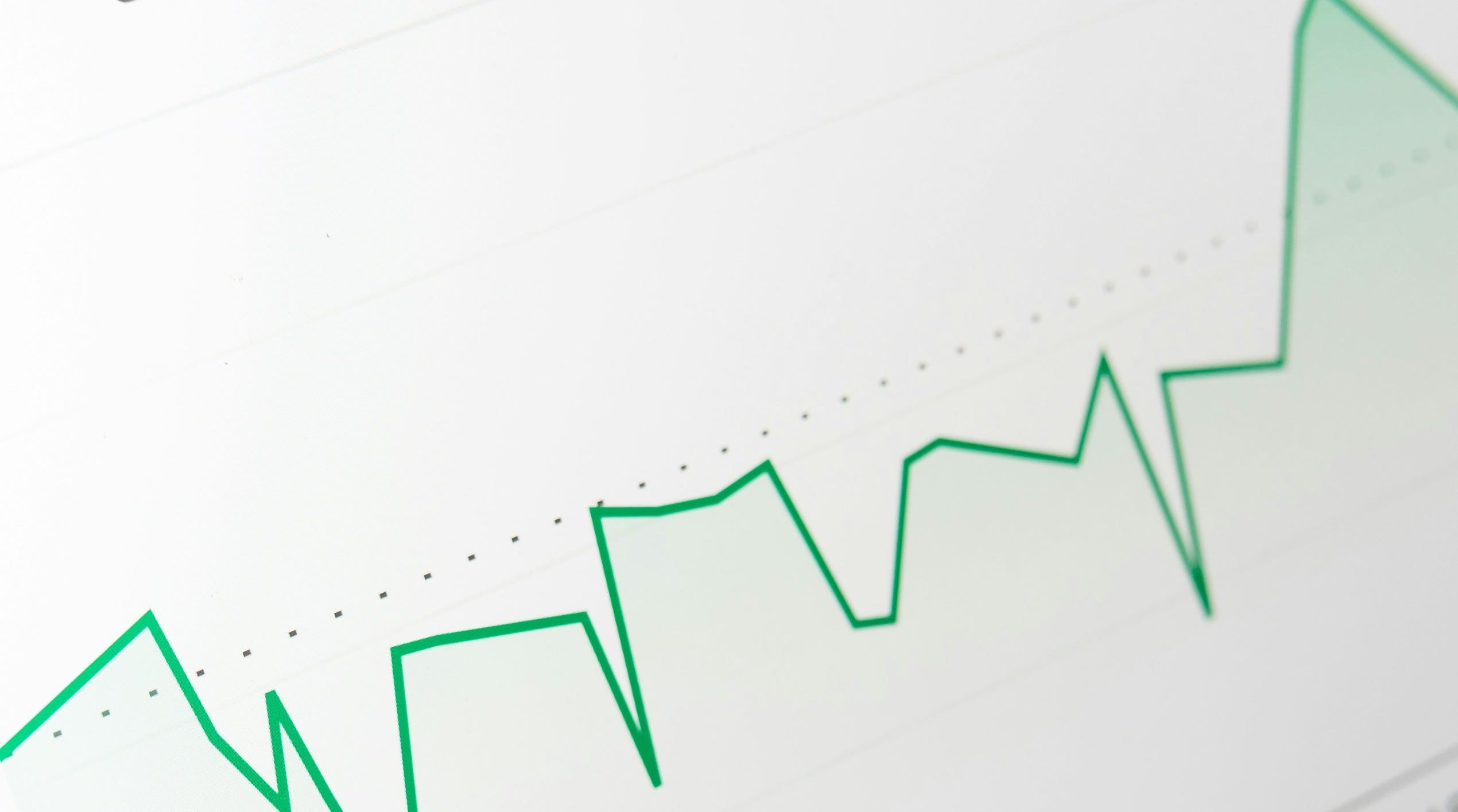
The standard model assumes steady upward progression with increasing responsibility, more seniority, and better pay.
In practice, that model ignores real life, which throws in things like:
health or energy fluctuations
caring responsibilities
high-pressure periods that need recovery
work that matters but doesn’t come with promotion
industries that shift faster than roles
It also assumes your priorities stay the same. They don’t. What made sense at one stage of life may no longer fit later.
Pauses are often practical
If you take a break, there’s usually a good reason. Maybe you are stepping back to recover from illness or mental health issues, or perhaps you need more time to handle life responsibilities. Or maybe you pause because your current role no longer matches what you can realistically give or what you want.
These pauses often prevent bigger problems like burnout, rushed decisions, or leaving the workforce altogether.
Plateaus aren’t problems either
Not every phase of work is about growth. Stability can matter more than progression, particularly when life outside work requires energy.
Plateaus only become an issue if they stop meeting your needs. Pushing for change just because you feel you “should” rarely helps.
Sideways moves sometimes make sense
Lateral moves often get overlooked because they don’t look like progress. In reality, they can:
reduce pressure
allow recovery after demanding roles
broaden skills
let you shift direction without starting over
Sideways moves are often smarter than forcing upward movement that isn’t sustainable.
Complete changes are no longer seen as negative
Many people these days find new interests, which in turn can lead to new careers. And sometimes, as your circumstances or values change, you might find yourself leaning towards a complete shift. Maybe that’s from corporate to the for-purpose sector, working for a charity or not-for-profit. Maybe it’s from a desk job to an active outdoor career, or maybe it’s a shift into something part-time like local retail when you are done with your full-time career but not quite ready to retire completely.
Those kinds of changes are no longer frowned upon. And by highlighting transferable skills and showing your passion, you can more easily step into a new chapter.

Building a sustainable career
A lot of career stress comes from comparing yourself to others. Faster progression usually comes with trade-offs like longer hours, more stress, and less flexibility. That may suit some stages of life, but not others. It might suit some people but not others.
Pauses, plateaus, lateral moves and total shifts are all normal. The question isn’t whether your career looks linear. It’s whether it fits the life you’re actually living and the path you want to follow.
Have you ever shifted in a non-linear way? Do you have advice for anyone looking to do the same?