
Planning your year (without over planning!)
January is a time for planning - but there's a balance to be struck.

The start of a new year has a way of making planning feel oddly urgent. As if there’s a brief window in early January where you’re meant to get everything sorted before life properly resumes.
That can cause a sense of panic and a feeling that you need to set New Year’s resolutions and then overhaul every part of your life. And then, instead of being useful, the plan just becomes another thing to keep up with, or quietly fail at.

In reality, you don’t need an intricate system or a colour-coded life blueprint to have a good year. In fact, for many people, the more detailed the plan, the faster it becomes overwhelming. A gentler reset can be far more effective. Plan just enough to give yourself some direction, without trying to account for every possible version of the year ahead.
Focus on the things that matter
Rather than trying to map out everything, it’s often more useful to focus on a smaller set of questions:
What matters most to me this year?
What do I realistically have capacity for?
What do I want to protect — time, energy, health, relationships?
If you didn’t do it in December, then doing a quick review of last year now can help you answer the questions above. Look at what went right, what didn’t go so well and what you found draining and energising.
Take a simple view of the year
If you want something concrete, a one-page overview is usually enough.
Take a year planner and mark your known commitments and non-negotiables. Block out busy work periods, travel, family events, and admin like dental or hair appointments.
This helps you get life admin that often gets forgotten, or fun (but important) stuff like a holiday booked in early, so they don’t get lost in the mix and forgotten when things get busy.
Once you have those building blocks in place, look for patterns. Where does the year get busy? Where do you have more space? This helps to see the shape of your year so you know when you might need to protect your energy levels and when you might be able to schedule some extra things.
Fewer priorities give you more flexibility
Often, at the start of the new year, you want to do a complete overhaul. Career, health, finances, relationships, personal growth — all neatly covered.
In reality, most people can only meaningfully focus on a small number of things at once.
Choosing just one or two priorities, an overarching theme or a word for the year guides you without overwhelming and without tying you to too many specifics.
Leaving space on purpose
Detailed plans tend to assume your energy will stay consistent — that you’ll show up the same way in March as you do in January.
One of the more overlooked planning skills is knowing when to stop.
Not every gap needs filling. Not every week needs to be productive. Leaving some space in the year makes it easier to respond when energy dips or circumstances change.
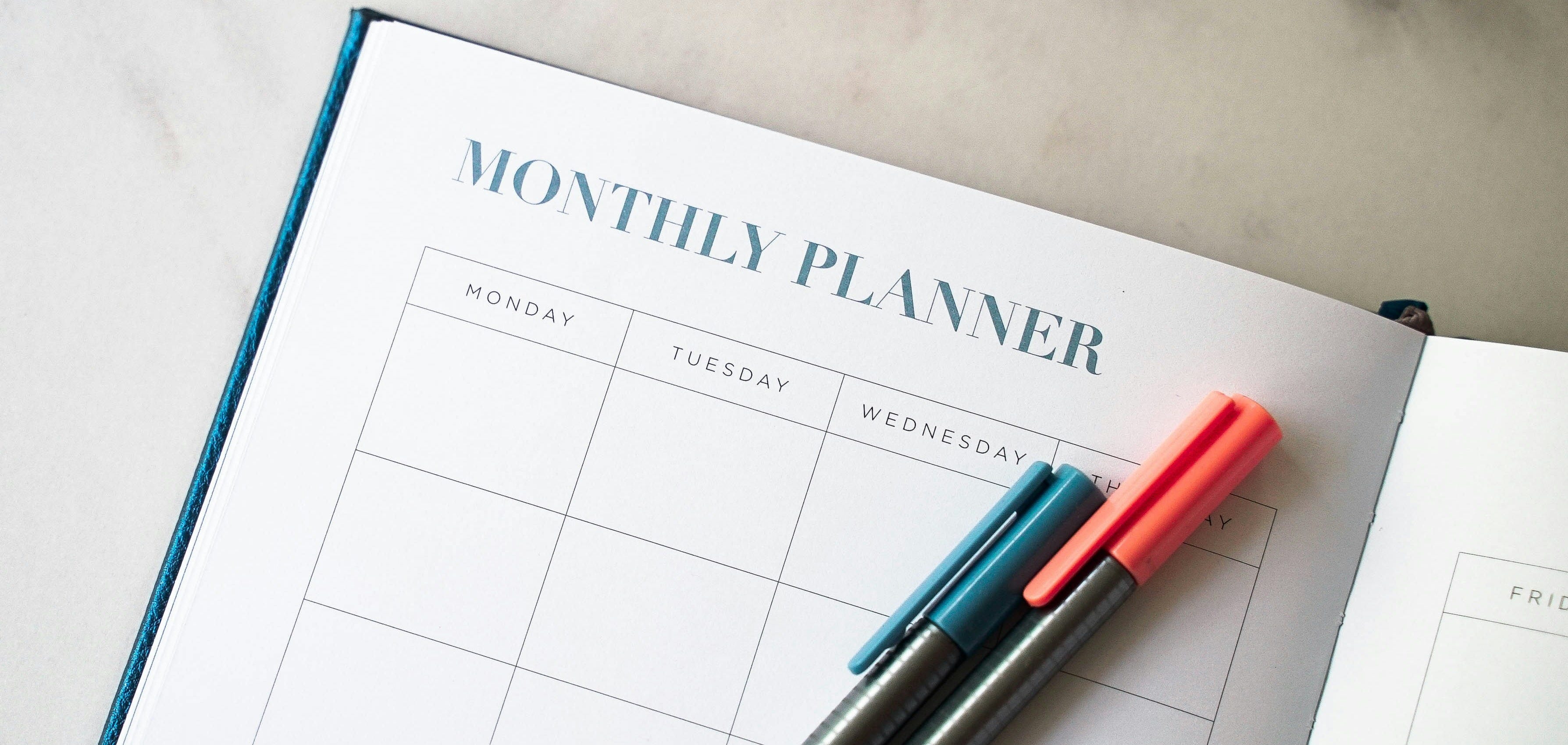
A small amount of structure, some awareness of your limits, and a bit of space left open will usually take you further than an overly detailed plan ever does.
How do you plan your year? In great detail or just a light overview with room to breathe? Have you changed your planning style over time?