

When was the last time you tried something new?
Children are constantly learning and trying things without overthinking them.
But as adults, many of us slowly stop. We settle into routines. We figure out what we’re good at and what we’re not. And then we stay inside those boundaries without really noticing.
Why trying new things matters
Research in psychology and neuroscience suggests novelty is genuinely good for us.
When we try something unfamiliar, the brain becomes more alert and engaged. We pay closer attention, form new neural connections, and become more adaptable. Curiosity doesn’t just make life feel more interesting — it actively supports learning and cognitive flexibility.
Researchers from New York University have linked new and diverse experiences with greater happiness, while studies from Columbia University’s Zuckerman Institute found that exposure to unfamiliar environments improved learning and problem-solving in mice.
You might have noticed this yourself.
The first time you try something new, your attention sharpens, and you become more present. And when you begin improving, even slightly, it creates a genuine sense of satisfaction.
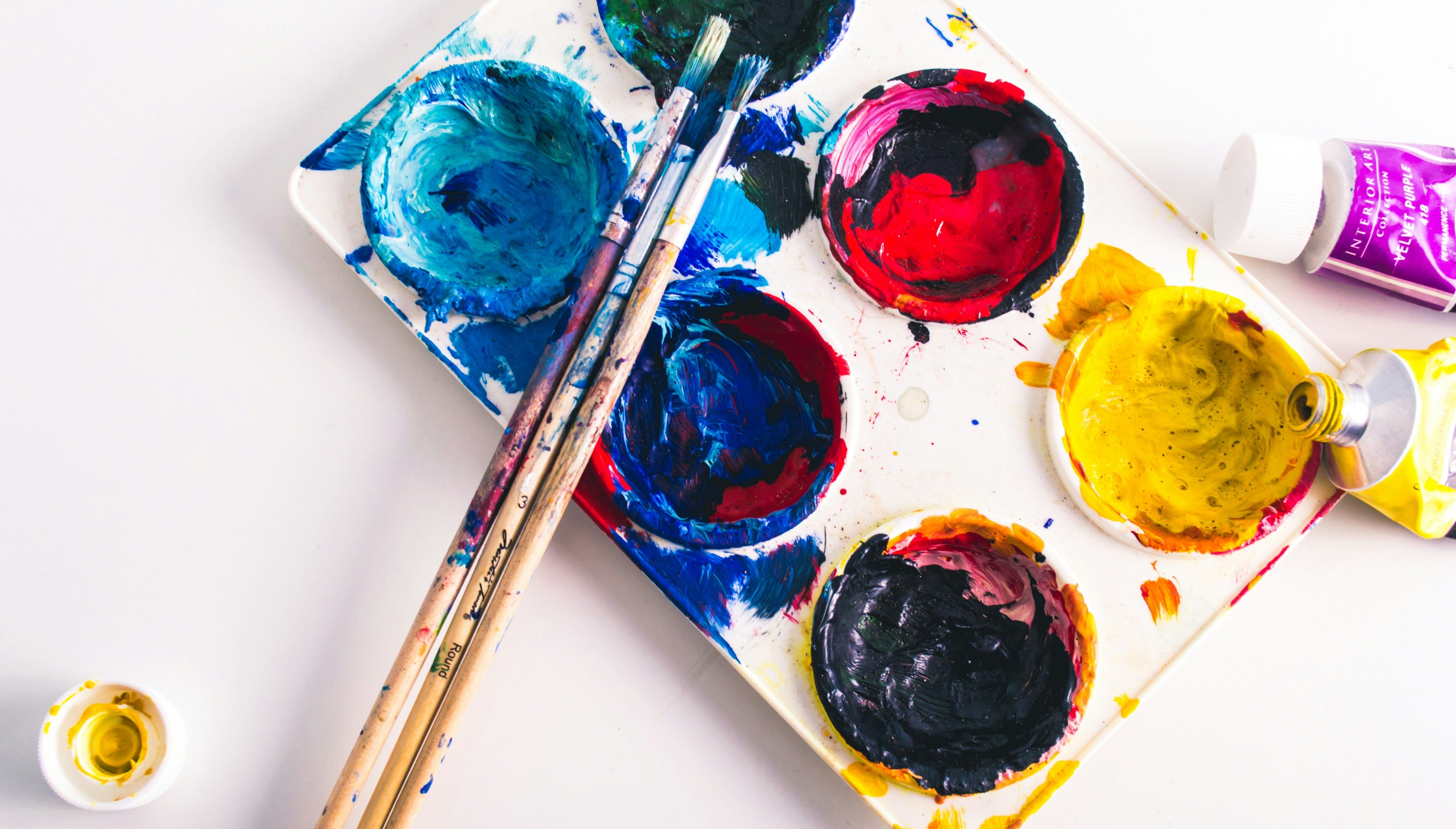
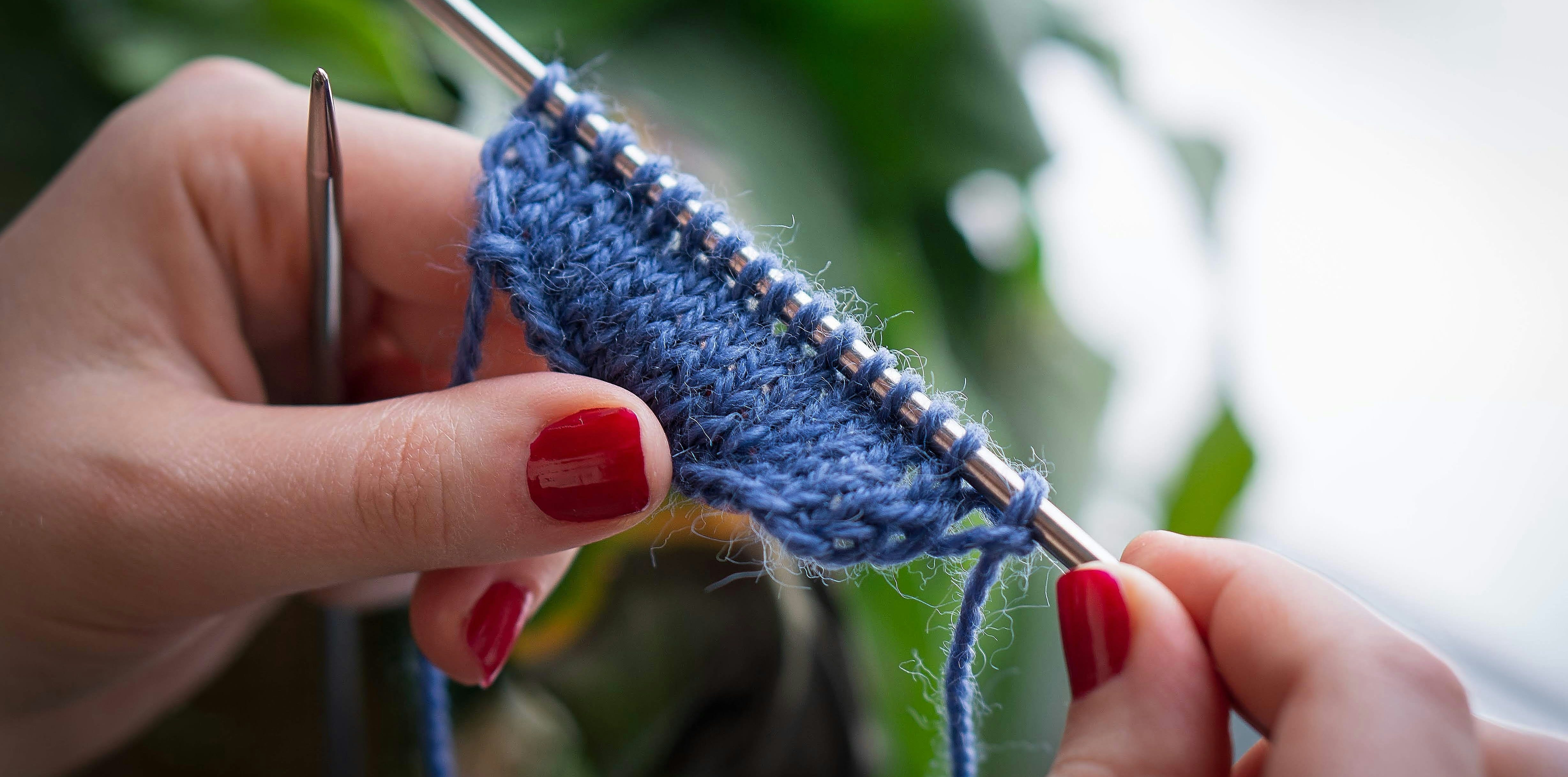
That’s part of why analogue hobbies like baking, gardening, drawing, knitting, or learning an instrument bring so much joy.
Being a beginner again forces you to:
slow down
pay attention
accept imperfection
stay curious
notice small progress
It’s difficult to mindlessly scroll while kneading dough or learning a knitting stitch. You can’t really multitask while figuring out guitar chords or trying to keep a plant alive.
It’s also worth paying attention to how differently hobbies feel compared to passive screen time. An hour online often disappears, and you don’t remember what you’ve done or feel much different. But an hour spent making, growing, reading, baking, learning, or creating something usually feels more restorative.
Adults are often afraid of being beginners
Children happily draw terrible pictures, sing off-key songs, and attempt complicated crafts, not worrying about whether they are any good. At least not to begin with.
Adults are often much harder on themselves. We’ve become uncomfortable with being inexperienced. If we’re not immediately competent, we feel embarrassed, frustrated, or tempted to quit.
In recent years, hobbies and extracurricular activities have boomed online, but often with the expectation that they should be a side hustle, a personal brand, or content for social media.
And there’s nothing wrong with that if it’s what you genuinely want.
If you love reading and want to start a BookTok account, great. If you enjoy cooking and want to share recipes on YouTube or Instagram, go for it.
But when it comes to hobbies, you don’t need to:
monetise them or turn them into a side hustle
post about them online and show others how you are progressing
justify them as “productive”
become highly skilled
do them every day
You just need to enjoy the experience of trying something new.
Easy ways to start a new hobby
If starting feels overwhelming, make it small and low-pressure.
You could:
try a single beginner class
revisit something you loved as a child
pick up an inexpensive starter kit
replace 20 minutes of scrolling with reading
join a regular group for accountability
pair hobbies with existing routines
So maybe this is your sign to try something new.
Just because it’s good to remember that you still can.