

Yesterday was UNESCO World Book and Copyright Day. The day was started in 1995 and is designed to celebrate books and reading and how books can help us make connections across generations and cultures.
Even if World Book Day passed you by, it’s worth taking time to stop and think about the last time you picked up a book. Because reading isn’t just about learning, or productivity, or “keeping up.” It’s one of the simplest, most accessible ways to support your wellbeing and one of the easiest to lose yourself and slow down in a busy, always-on world.

Why reading matters
Most of us spend our days moving quickly between tasks, tabs, notifications, and conversations. Even when we stop, we tend to default to scrolling, which only offers short bursts of content that keep our brains busy but rarely give them a proper break.
Reading is different. It takes concentration, and it takes you somewhere different.
It can:
Reduce stress by helping you shift focus away from whatever is weighing on you
Improve concentration by training your brain to stay with one thing for longer
Support better sleep when it replaces screens at the end of the day
Build empathy and perspective by exposing you to different experiences and ways of thinking
Practical ways to read more (without overhauling your life)
If you’re busy, reading can feel like a luxury. Something you’ll get to “when things calm down.”
You might not find that large chunk of time where you can read a whole book. So the key is to find small pockets of time where you can fit reading in as part of your routine.
1. Lower the bar
You don’t need an hour. Start with 10 minutes. One chapter. A few pages. Try that every day, and you’ll soon see progress.
2. Replace, don’t add
Swap another task, like scrolling on your phone, for reading every day.
3. Make it visible and easy
Keep a book where you’ll actually pick it up: beside your bed, on the coffee table, in your bag, or as an app on your phone. Reducing friction makes habits easier to stick to.
4. Rethink what “reading” looks like
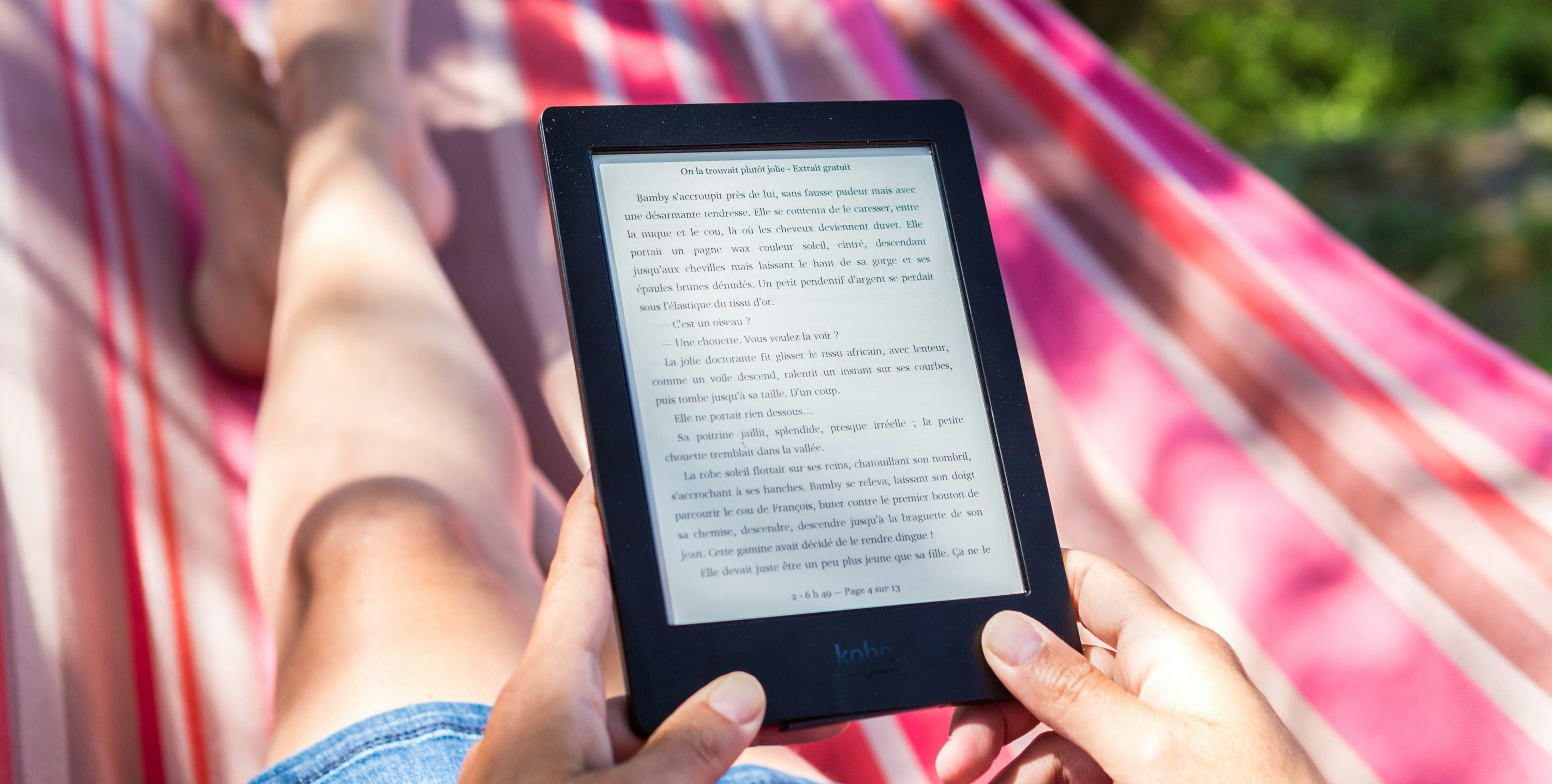
Audiobooks count. Ebooks count. Graphic novels count. Long-form magazine articles count. If it fits into your life more easily, it’s more likely to stick.
5. Read what you enjoy
You’re far more likely to keep reading if you’re genuinely interested, not just reading something because you feel like you should. There’s nothing wrong with reading a romance novel, some chick lit, or a fantasy if that’s what you love.
6. Let go of all-or-nothing thinking
You don’t need to finish every book. You don’t need to read every day. Skipping a day or abandoning a book doesn’t undo the habit.
A small shift that adds up
Those small moments — 10 minutes before bed, a few pages with your morning coffee, a chapter on the weekend — add up. Not just in books finished, but in how you feel: a little calmer, a little more focused, a little less pulled in different directions.
In a world always vying for your attention, reading stands out as a rewarding way to recharge your mind and mood.
So if World Book Day passed you by, consider this your reminder.
Pick up a book, read a page and see where it takes you!